
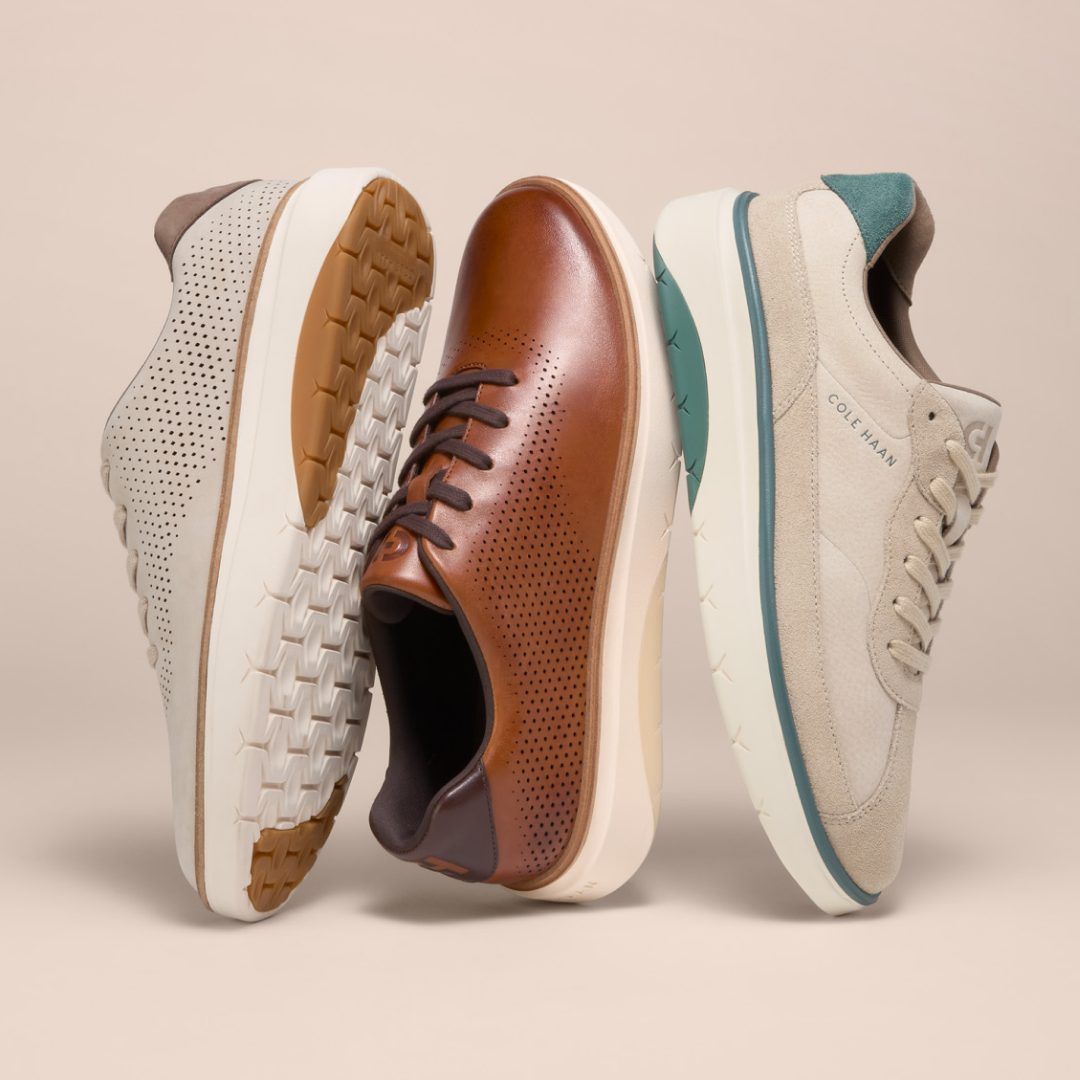
Footwear manufacturing is changing fast. In the past most shoes were made, sold, used and then thrown away. This created an amount of waste. Brands are changing age-old narratives by consciously making shoes that utilize resources better and generate less waste.
This idea is called footwear manufacturing.
Circular manufacturing can be defined as creating products in a way that materials can be reused repaired, recycled or recovered after use. The goal is to reduce waste and keep materials in use for a time.
For the footwear industry this is becoming very important. Shoes have several components like soles, uppers, linings, threads, adhesives, etc. This is the reason recycling footwear is not always easy. With materials smarter thread (bonded nylon thread, polyester embroidery thread) choices and improved design the industry is moving towards a more circular future.
What is Circular Footwear Manufacturing?
Circular footwear manufacturing aims to design and manufacture shoes keeping the product life in mind. It is not restricted to just selling the next hot shoe. It is about asking the right questions from the start.
* Can repair work be done on this shoe?
* Could a few parts if not all be reused?
* Can materials be recycled?
* Is there a possibility to reduce waste during production?
When brands start thinking like this footwear manufacturing becomes more responsible. The focus shifts from short term production to long term material value.
Circular Footwear Matters – Here’s the Why?
Millions of shoes are manufactured in a year. Several of them end up as waste post use. This creates pressure on landfills and natural resources. Footwear production also uses materials and processes. Some of these materials are difficult to separate after the shoe is made. Circular footwear helps reduce this problem. It encourages selection, better design and better production planning. For brands it also supports sustainability goals. Improves customer trust.
The Role of Better Materials
Materials are the foundation of every footwear product. In manufacturing brands are looking for materials that’re durable, repairable and easier to recycle. Some companies are exploring recycled materials for shoe uppers, linings, soles and other parts. Others are using materials that create waste during production. The aim is not just to make shoes look good. The aim is also to make them more responsible. Good materials can help improve product life. A lasting shoe reduces the need for replacement. This is one of the ways to reduce waste.
Why Threads Are Also Important
When people talk about footwear they mostly talk about leather, sole or upper material. Thread also plays a role. Thread holds the shoe together. It supports seam strength. It affects durability. It also impacts repair and recycling. If the thread is weak the shoe may fail early. If the seam opens the product may be discarded even when other materials are still usable. Strong and suitable threads help increase life. This supports manufacturing because longer product life means waste.
Choosing Threads for Circular Footwear
Thread selection should match the product purpose. For footwear manufacturers they should consider thread strength, durability, stability, resistance to wear compatibility with shoe materials and suitability for repair or recycling. A thread should not perform well during production. It should also perform well during customer use. Good thread selection can reduce seam failures, repairs and early product rejection.
Design for Repair
One part of footwear is repair-friendly design. Many shoes are thrown away because one small part gets damaged. Sometimes it may be a seam. Sometimes it may be a sole. Sometimes it may be a lining or lace section. If footwear is designed for repair the product life can be extended. This means fewer shoes are thrown away quickly. Designers can support this by using seams, replaceable parts and joining methods. Repair should not be seen as a weakness. It is a way to increase product value.
Reducing Waste During Production
Circular manufacturing is not about what happens after the customer uses the shoe. It also includes what happens inside the factory. Footwear factories can reduce waste by improving cutting methods controlling thread usage reducing defects and managing leftover materials. Better production planning helps avoid loss. Even small savings can become big when production volume is high. Thread management also supports this. Fewer thread breaks, less rework and proper thread consumption planning can reduce factory waste.
Smarter Design Innovations
Design innovation is shaping the look and feel of modern day shoes. Brands are wanting to make shoes more lighter, robust and easier to recycle. Some design ideas focus on using types in one shoe. This can make recycling easier. Some designs focus on parts, where damaged areas can be replaced of discarding the full shoe. Other designs focus on durability so the shoe lasts longer. All these ideas support manufacturing. The future of footwear design will not be about style. It will also be about responsibility.
Supply Chain & Collabs
Circular footwear cannot happen with one company. Material suppliers, thread manufacturers, footwear factories, brands and recycling partners all need to work. If materials are selected without thinking about stitching, repair and end-of-life use circularity becomes difficult. Good collaboration helps create products from the beginning. Suppliers can provide materials. Factories can improve production methods. Brands can guide design and quality standards. Together the full supply chain can move towards results.
Benefits of Circular Footwear Manufacturing
Circular footwear manufacturing gives benefits. It can help reduce waste. It can improve material use. It can support product life. It can lower repair and return issues. It can improve brand image. It can also help companies meet sustainability goals. Customers are also becoming more aware. Many people want products that are made with care and responsibility. Circular footwear gives brands a way to meet these expectations.
Circular Footwear & The Challenges it faces
The journey is not easy. Footwear is a product that has many materials joined together. Some materials are hard to separate after use. Sustainable options may also cost more in the beginning. Factories may need processes and training. These challenges can be managed step by step. The important thing is to start with choices, stronger threads, smarter designs and less waste in production.
The future of footwear manufacturing is moving towards circularity. This means making shoes that create waste and use materials more responsibly. Materials, threads and design innovations all have a role in this change. Better materials can improve product life. Strong threads can reduce seam failures. Smart design can support repair, reuse and recycling. Circular footwear is not a trend. It is becoming a need, for the industry. Brands that start thinking about manufacturing today will be better prepared for the future. In the coming years the best footwear will not just look good. Feel comfortable. It will also be made with care for resources, customers and the environment.