
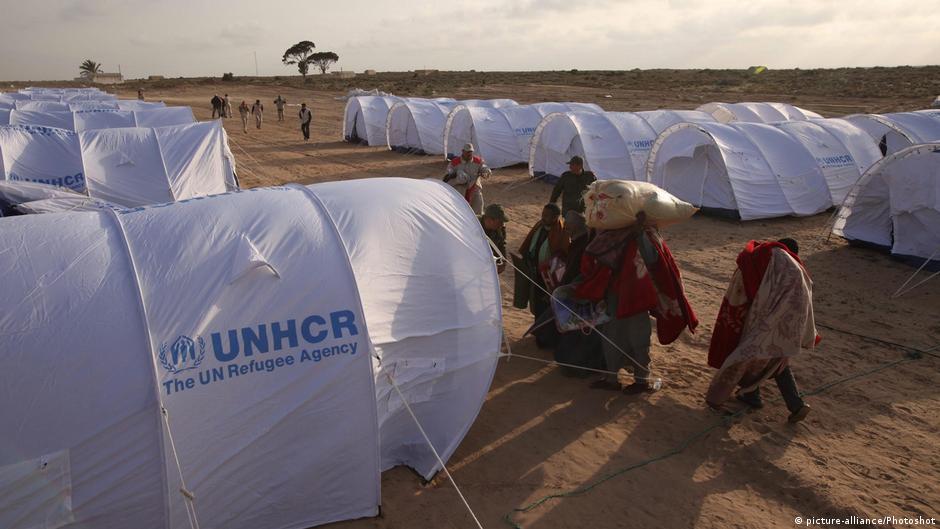
Seeking refugee protection is a life-changing decision. Whether you are fleeing persecution, violence, or serious human rights violations, the refugee claim process can feel overwhelming. While procedures vary slightly by country, the core principles remain similar: you must show that returning to your home country would put you at serious risk.
This step-by-step guide explains how the refugee claim process typically works, what to expect, and how to prepare.
Step 1: Determine Eligibility
Before submitting a refugee claim, authorities will assess whether you are eligible to apply.
You may qualify as a refugee if you:
- Fear persecution due to race, religion, nationality, political opinion, or membership in a particular social group
- Face risk of torture
- Risk cruel and unusual treatment or punishment
- Cannot safely relocate within your home country
However, you may be ineligible if:
- You already received refugee protection in another country
- You previously made a claim that was rejected
- You are considered inadmissible for serious criminality or security reasons
Eligibility screening is usually conducted shortly after you declare your intention to claim refugee protection.
Step 2: Submit Your Refugee Claim
Once deemed eligible, you will officially submit your refugee claim.
This typically involves:
- Completing detailed application forms
- Providing identity documents (passport, national ID, birth certificate, etc.)
- Explaining why you fear returning home
- Listing any family members involved
Accuracy is critical. Inconsistent or incomplete information can affect credibility later in the process.
Your written statement—often called a Basis of Claim or Personal Information Form—should clearly outline:
- What happened
- When and where it happened
- Who was involved
- Why you were targeted
- Why you cannot seek protection in your home country
This document forms the foundation of your case.
Step 3: Biometrics and Security Checks
Most countries require biometric data collection, including:
- Fingerprints
- Photographs
- Background checks
These checks help confirm identity and ensure there are no security concerns. Cooperation at this stage is essential.
Step 4: Gather Supporting Evidence
Strong documentation significantly improves your chances of success.
Examples of evidence include:
- Police reports
- Medical records
- News articles
- Witness statements
- Threat letters
- Social media evidence
- Human rights reports about your country
Country condition reports are particularly important. They demonstrate that people in similar situations face genuine risks.
If documents are unavailable, explain why. Decision-makers understand that fleeing individuals may not have access to paperwork—but you must clarify the circumstances.
Step 5: Prepare for the Refugee Hearing
The refugee hearing is the most critical stage of the process.
During the hearing:
- A decision-maker will ask detailed questions about your claim
- You must explain your fear clearly and consistently
- An interpreter will be provided if needed
- A legal representative can assist you
The focus is credibility. Even small contradictions may raise concerns. It’s important to:
- Review your written statement beforehand
- Be honest, even about difficult details
- Avoid exaggeration
- Stay calm and clear
If trauma affects your memory, you may explain this respectfully.
Step 6: Attend the Hearing
At the hearing, the decision-maker will evaluate:
- Whether your fear is well-founded
- Whether your home government can protect you
- Whether you can safely relocate within your country
- Whether your testimony is credible
The hearing may last several hours. You will answer questions about timelines, locations, and events.
Remain truthful and focused. If you do not understand a question, ask for clarification.
Step 7: Receive the Decision
After reviewing your testimony and evidence, the decision-maker will either:
If Approved:
- You receive protected status
- You may apply for permanent residence (depending on country rules)
- You gain access to certain social benefits and rights
If Refused:
- You may have the right to appeal
- You may request a judicial review
- In some cases, you can apply for humanitarian relief
Deadlines for appeals are strict, so quick action is essential if your claim is denied.
Common Challenges in Refugee Claims
Understanding potential challenges helps you prepare:
Credibility Issues:
Inconsistent dates, missing details, or conflicting statements can weaken a case.
Lack of Evidence:
Even when documentation is limited, you must provide a clear explanation.
Delay in Filing:
Waiting too long after arriving in a country to make a claim may raise questions.
Safe Internal Relocation:
Authorities may argue you could safely move to another region within your home country.
Preparation and professional guidance can significantly reduce these risks.
How Long Does the Process Take?
Processing times vary widely based on:
- Country of application
- Case complexity
- Volume of claims
- Security checks
Some claims are resolved within months, while others may take years.
During the waiting period, you may receive temporary documentation allowing limited work or access to healthcare, depending on local laws.
The Importance of Legal Support
Although you can represent yourself, legal representation often improves outcomes.
An experienced immigration lawyer Toronto or refugee lawyer can:
- Help draft your statement clearly
- Identify weaknesses in your case
- Prepare you for questioning
- Submit strong legal arguments
- File appeals if necessary
Because refugee law is complex, professional guidance provides structure and confidence.
Final Thoughts
The refugee claim process is detailed and emotionally demanding. However, understanding each stage—from eligibility screening to the final decision—can make it more manageable.
Success depends on:
- Clear and consistent testimony
- Strong supporting evidence
- Honest communication
- Careful preparation
If you genuinely face persecution or serious harm, refugee protection exists to safeguard your rights and provide a path toward safety. Taking the process seriously, staying organized, and seeking proper support can significantly improve your chances of a positive outcome.